
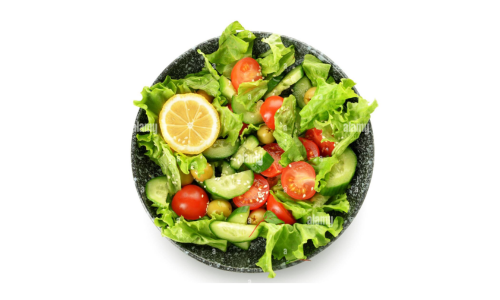
However, one of the most effective ways to lose weight and maintain muscle mass is by increasing your protein intake. Protein is an essential nutrient that helps keep you feeling full, supports muscle growth, and can even boost the number of calories your body burns during digestion.
Whether you’re trying to lose a few pounds or completely transform your lifestyle, choosing high-protein foods can make the journey much easier. In this guide, we’ll explore the best high-protein foods for weight loss, their benefits, and how to include them in your daily diet.
Why Protein Is Important for Weight Loss
Protein plays several important roles in weight management.
Helps You Feel Full Longer
Protein takes longer to digest than carbohydrates, which can help reduce hunger and prevent unnecessary snacking.
Supports Muscle Mass
Eating enough protein helps preserve lean muscle tissue.
Boosts Metabolism
Your body uses more energy to digest protein compared to fats and carbohydrates.
Reduces Cravings
Research suggests that high-protein diets may reduce cravings and late-night snacking, making it easier to stick to a calorie-controlled eating plan.
Chicken Breast

Chicken breast is one of the most popular protein sources among people trying to lose weight.
Benefits
- Low in fat
- High in protein
- Easy to prepare
- Versatile in recipes
Grilled, baked, or air-fried chicken breast can be included in salads, wraps, bowls, and meal-prep dishes.
Eggs
Eggs are affordable, nutritious, and packed with high-quality protein.
Protein Content
- About 6 grams of protein per large egg
Benefits
- Rich in essential nutrients
- Highly satisfying
- Easy to cook
- Budget-friendly
Starting your day with eggs may help reduce hunger throughout the day.
Greek Yogurt

Greek yogurt contains significantly more protein than regular yogurt.
Protein Content
- Around 15–20 grams per serving
Benefits
- Supports digestive health
- High in protein
- Rich in calcium
- Great as a snack or breakfast
Cottage Cheese
Cottage cheese is one of the highest-protein dairy products available.
Protein Content
- Approximately 25 grams per cup
Benefits
- Low calorie
- High protein
- Filling
- Rich in calcium
Fish and Seafood

Fish provides protein along with heart-healthy omega-3 fatty acids.
High-Protein Fish Options
| Fish | Protein (100g) |
|---|---|
| Tuna | 29g |
| Salmon | 22g |
| Cod | 20g |
| Shrimp | 24g |
Benefits
- Supports heart health
- High-quality protein
- Nutrient-dense
- Relatively low in calories
Eating fish two to three times per week can be a healthy addition to a weight-loss diet.
Lean Beef
Lean cuts of beef can provide excellent nutrition while supporting weight loss goals.
Protein Content
- Around 26 grams per 100 grams
Best Lean Cuts
- Sirloin
- Tenderloin
- Top round
Benefits
- Rich in iron
- High in protein
- Supports muscle maintenance
Choose lean cuts and moderate portion sizes for best results.
Turkey Breast
Turkey breast is another lean protein source commonly used in weight-loss meal plans.
Protein Content
- About 29 grams per 100 grams
Benefits
- Low fat
- High protein
- Rich in vitamins and minerals
- Ideal for sandwiches and salads
Turkey can be a great alternative to higher-fat processed meats.
Lentils

Protein Content
- Around 18 grams per cooked cup
Benefits
- High fiber
- Budget-friendly
- Supports digestive health
- Keeps you full longer
Lentils can be added to soups, salads, and rice dishes.
Beans
Beans offer a combination of protein and fiber that can help control hunger.
Popular Choices
- Black beans
- Kidney beans
- Pinto beans
- Chickpeas
Protein Content
- Around 15 grams per cooked cup
Benefits
- Affordable
- Nutrient-rich
- Supports heart health
- Great for vegetarian diets
Tofu
Tofu is a popular protein source for vegetarians and vegans.
Protein Content
- Approximately 10–20 grams per serving depending on type
Benefits
- Plant-based protein
- Low in calories
- Versatile
- Contains important minerals
Tofu absorbs flavors well and works in stir-fries, salads, and bowls.
Protein Shakes

Protein shakes can help increase daily protein intake when whole foods are not available.
Protein Content
- Typically 20–30 grams per serving
Benefits
- Convenient
- Portable
- Supports muscle recovery
- Helps meet protein goals
Protein shakes work best when used alongside a balanced diet rather than replacing most meals.
Nuts and Seeds
Although higher in calories, nuts and seeds provide protein, healthy fats, and fiber.
Examples
| Food | Protein |
|---|---|
| Almonds | 6g per ounce |
| Pumpkin Seeds | 8g per ounce |
| Chia Seeds | 5g per ounce |
| Peanuts | 7g per ounce |
Benefits
- Healthy fats
- Satisfying snack
- Nutrient-rich
Portion control is important because nuts are calorie-dense.
Quinoa
Quinoa is one of the few plant foods considered a complete protein.
Protein Content
- Around 8 grams per cooked cup
Benefits
- Gluten-free
- High fiber
- Contains essential amino acids
- Easy to prepare
Quinoa works well as a substitute for rice or pasta.
Best High Protein Foods for Weight Loss
Here are some of the top choices for maximizing protein while managing calories:
| Food | Protein |
|---|---|
| Chicken Breast | 31g per 100g |
| Tuna | 29g per 100g |
| Turkey Breast | 29g per 100g |
| Lean Beef | 26g per 100g |
| Cottage Cheese | 25g per cup |
| Shrimp | 24g per 100g |
| Salmon | 22g per 100g |
| Greek Yogurt | 15–20g per serving |
| Lentils | 18g per cup |
| Eggs | 6g per egg |
Tips for Increasing Protein Intake
Include Protein in Every Meal
Try to include a protein source at breakfast, lunch, dinner, and snacks.
Prioritize Whole Foods
Whole-food protein sources often provide additional nutrients compared to heavily processed products.
Meal Prep Ahead of Time
Preparing protein-rich foods in advance makes healthy eating more convenient.
Common Mistakes When Following a High-Protein Diet
Ignoring Fiber
Protein is important, but fiber helps digestion and supports fullness.
Eating Too Many Processed Protein Foods
Not Drinking Enough Water
Higher protein intake may increase your body’s need for hydration.
Neglecting Fruits and Vegetables
A balanced diet is still essential for overall health and long-term weight loss success.
Frequently Asked Questions
How much protein should I eat to lose weight?
Many experts recommend consuming around 0.7–1 gram of protein per pound of goal body weight, depending on activity level and fitness goals.
What is the highest-protein food?
Chicken breast, turkey breast, tuna, and lean beef are among the highest-protein whole foods available.
Can protein help reduce belly fat?
Protein can support overall fat loss by improving satiety and helping maintain muscle mass, but spot reduction of belly fat is not possible.
Are eggs good for weight loss?
Yes. Eggs are rich in protein, affordable, and highly satisfying, making them an excellent weight-loss food.
Is plant-based protein effective for weight loss?
Yes. Foods such as lentils, beans, tofu, quinoa, and chickpeas can provide adequate protein while supporting weight-loss goals.
Final Thoughts
Adding more high-protein foods to your diet can make weight loss easier by reducing hunger, preserving muscle mass, and supporting a healthy metabolism. Foods like chicken breast, eggs, Greek yogurt, fish, cottage cheese, lentils, beans, and tofu provide excellent sources of protein while fitting into a balanced eating plan. Instead of relying on restrictive diets, focus on building meals around quality protein sources and whole foods to achieve sustainable, long-term results.